
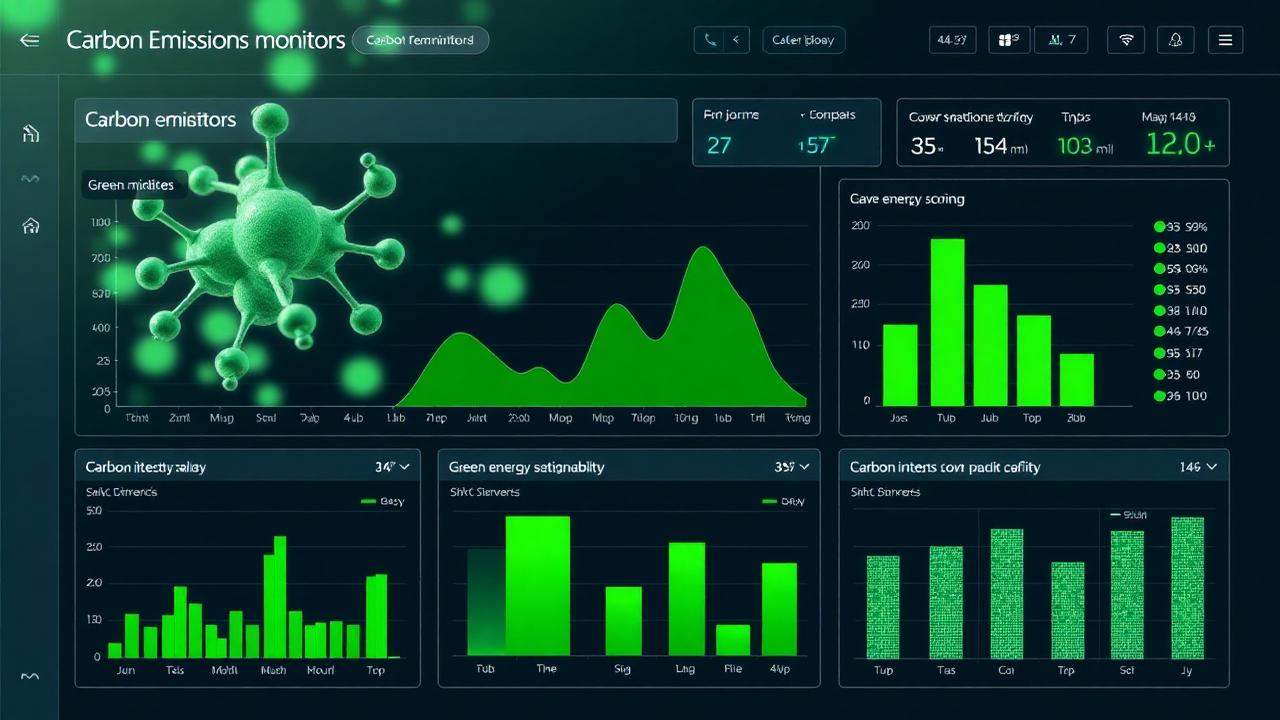
Carbon Intensity Scoring Methodology: A Practical Guide for Energy Producers
How to build defensible CI scores from wellhead to point of sale — and why regulators demand it.
 Duke Mattoon
February 2026
8 min read
Duke Mattoon
February 2026
8 min read
As carbon markets mature and regulatory frameworks tighten, energy producers need defensible, auditable carbon intensity scores. This guide walks through the methodology, data requirements, and technology infrastructure needed to implement CI scoring across the energy value chain.
Why Carbon Intensity Scoring Matters Now
Carbon intensity (CI) scoring has evolved from a voluntary sustainability metric to a commercial imperative. Programs like California's LCFS, the EU's CBAM, and Canada's Clean Fuel Standard now directly tie economic value to verified CI scores. For energy producers, a lower CI score means premium pricing and market access.
Yet most producers still estimate their CI using industry averages rather than measuring it from their specific operations. This leaves significant value on the table and creates regulatory risk as verification requirements tighten.
Building a CI Calculation Framework
A defensible CI score requires cradle-to-gate emissions accounting across five categories: extraction and production, processing and treatment, transportation and distribution, fugitive emissions, and land-use change. Each category requires specific measurement methodologies and data sources.
The calculation framework must align with the target regulatory program (GREET model for LCFS, ISCC methodology for EU, etc.) while maintaining enough flexibility to satisfy multiple programs simultaneously. Standardizing on ISO 14064 as a foundational framework provides this flexibility.
"Producers with verified CI scores 20% below industry average command a $2-5/barrel premium in carbon-differentiated markets."
Data Infrastructure for CI Tracking
CI scoring demands continuous, granular emissions data from across the value chain — not quarterly estimates. This means integrating continuous emissions monitoring systems (CEMS), flow computers, gas chromatographs, and operational logs into a unified data platform.
The data platform must support both real-time CI calculation for operational decisions and historical CI verification for regulatory reporting. It must also maintain complete data lineage and audit trails to support third-party verification.
Molecular Traceability: The CI Differentiator
The most accurate CI scores require molecular-level traceability — the ability to track specific volumes from wellhead through processing, transportation, and delivery. Without molecular traceability, CI scores rely on averages and allocations that obscure the true emissions profile of each molecule.
Caliche's Radiant - MVT™ platform enables this level of traceability by maintaining chain-of-custody records across the full value chain, linking operational data to specific volumes rather than system-wide averages.
Ready to implement these strategies?
Our team can help you assess your current capabilities and build a roadmap tailored to your operations.
Request a ConsultationRelated Articles

CCUS Data Management: Traceability and Reporting Requirements for Carbon Capture Projects
ESG Reporting Automation for Energy Companies: From Manual Spreadsheets to Auditable Systems