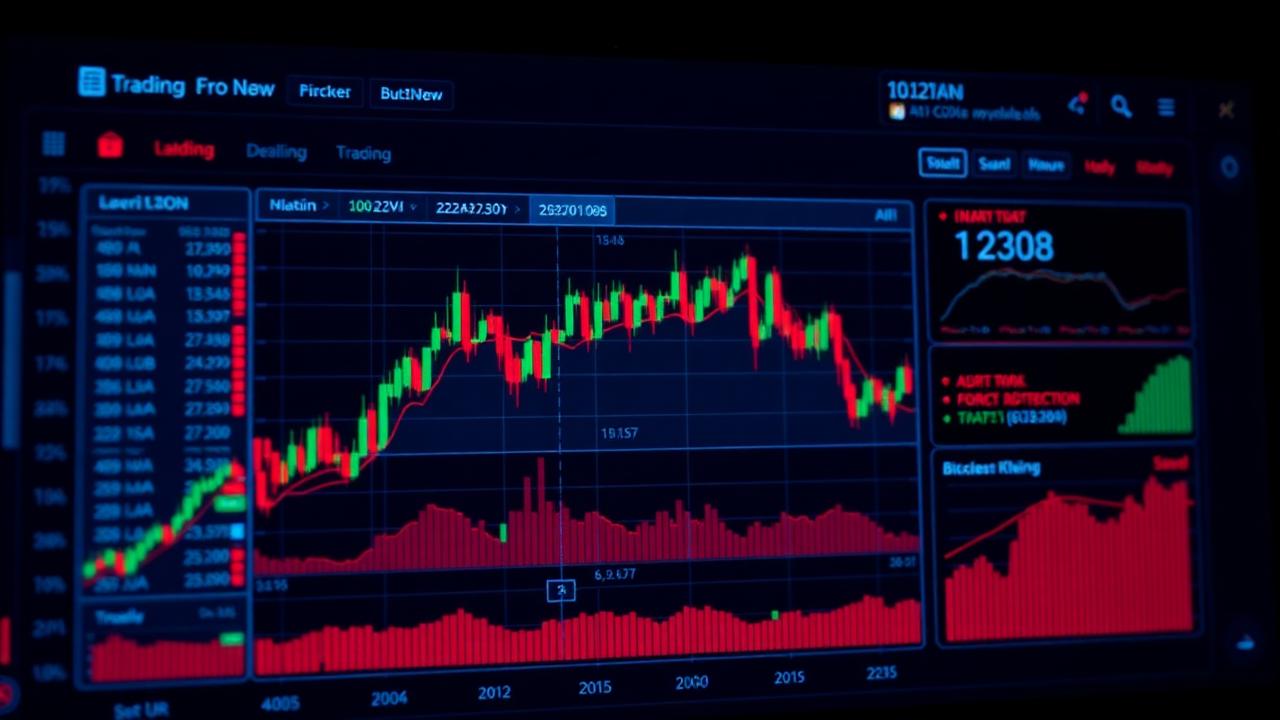
Predictive Analytics for Pipeline P&L: Embracing Segmented P&L
How AI-powered anomaly detection identifies volumetric discrepancies before they become costly disputes.
 Caliche Team
January 2026
6 min read
Caliche Team
January 2026
6 min read
Pipeline P&L is an inevitable reality of midstream operations, but unexplained volumetric discrepancies cost operators millions annually in settlement disputes and unrecovered product. This article explores how predictive analytics transforms P&L management from reactive investigation to proactive detection.
The Hidden Cost of P&L Discrepancies
For most midstream operators, P&L analysis happens after the fact — during monthly settlement or annual true-up processes. By the time a significant discrepancy is identified, the operational data needed to investigate it may be stale or incomplete, and the financial exposure has already accumulated.
Industry data suggests that unexplained pipeline losses average 0.1-0.5% of throughput. For a pipeline moving 200,000 barrels per day, that's 200-1,000 barrels daily — representing $5-25M in annual exposure at current commodity prices.
From Reactive to Predictive: The AI Approach
Predictive P&L analytics uses machine learning to establish baseline patterns for every segment of your pipeline network, then identifies deviations from those patterns in near-real-time. The model incorporates measurement data, temperature, pressure, product composition, and operational state to distinguish between expected variation and genuine anomalies.
Unlike threshold-based alerting, ML models adapt to changing conditions — seasonal temperature effects, different product slates, varying flow rates — reducing false positives while catching subtle patterns that rule-based systems miss.
"Operators using predictive P&L analytics resolve volumetric discrepancies 60% faster and reduce settlement disputes by 45%."
Data Requirements for Predictive Models
Effective predictive models require historical measurement data (minimum 12 months), real-time meter readings, temperature and pressure at key points, product quality/composition data, and operational event logs (pigging, maintenance, batch changes).
Data quality is critical — the model is only as good as the data it's trained on. Invest in measurement data validation and cleansing before model development.
Integration with Settlement Workflows
The real value of predictive analytics isn't just early detection — it's integration with your settlement and allocation workflows. When the system identifies an anomaly, it should automatically trigger investigation workflows, preserve relevant data, and provide suggested root causes based on historical patterns.
This creates a virtuous cycle: faster detection, better data preservation, more accurate root cause analysis, and ultimately, defensible settlement positions.
Ready to implement these strategies?
Our team can help you assess your current capabilities and build a roadmap tailored to your operations.
Request a ConsultationRelated Articles
Natural Gas Scheduling Automation: How AI Reduces Manual Nominations by 80%

Real-Time Data Integration for Midstream Pipeline Operations: Architecture Patterns That Scale