
SCADA to ETRM Data Pipeline: Best Practices for Operational Technology Integration
Bridging the gap between operational technology and energy trading systems safely and reliably.
 Roy Castillo
February 2026
7 min read
Roy Castillo
February 2026
7 min read
The integration between SCADA systems and ETRM platforms represents one of the most critical — and most challenging — data pipelines in energy operations. This article explores best practices for building secure, reliable, and performant OT-to-IT data flows.
The OT-IT Integration Challenge
SCADA systems and ETRM platforms were designed for fundamentally different purposes. SCADA prioritizes real-time control, deterministic response times, and operational safety. ETRM platforms prioritize transaction processing, financial accuracy, and regulatory compliance. Bridging these worlds requires understanding both.
The integration challenge isn't just technical — it's organizational. OT teams and IT teams often operate with different priorities, different change management processes, and different risk tolerances. Successful integration requires aligning these teams around shared objectives.
Security-First Architecture
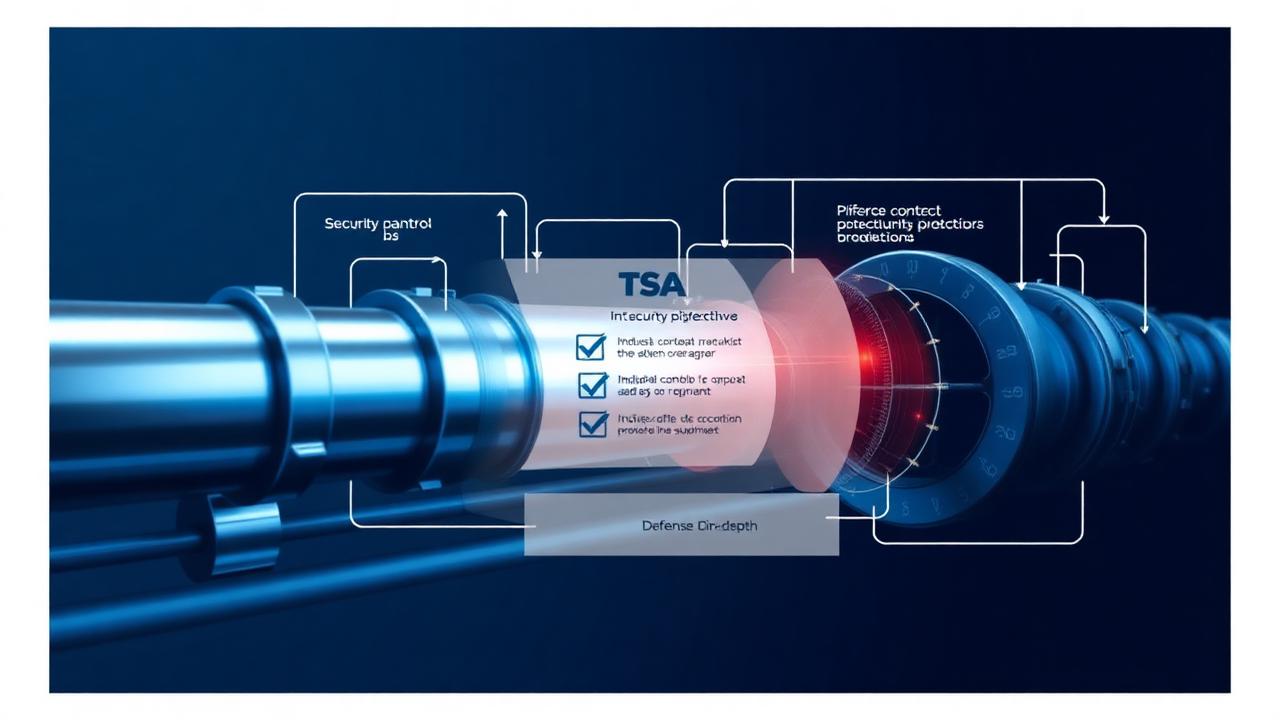
The Colonial Pipeline attack demonstrated the catastrophic consequences of inadequate OT-IT boundary security. Every SCADA-to-ETRM integration must implement defense-in-depth: network segmentation, data diodes or unidirectional gateways, encrypted transport, and comprehensive audit logging.
The data flow should be strictly unidirectional: SCADA data flows out to the IT environment, but no IT system should have write access back to the OT network. Any exceptions to this principle must undergo rigorous security review and implement compensating controls.
"Unidirectional gateways reduce OT attack surface by 95% while maintaining full data flow to commercial systems."
Data Quality and Transformation
SCADA data arrives in operational formats — register values, analog readings, binary states — that must be transformed into commercial units (volumes, temperatures, pressures) before ETRM consumption. This transformation layer must handle data quality issues: sensor failures, communication dropouts, and out-of-range readings.
Implement a data quality gateway between SCADA and ETRM that validates, cleanses, and transforms data before it enters the commercial environment. This gateway should log all quality exceptions and provide operators with visibility into data health.
Latency and Reliability Requirements
Different ETRM functions have different latency requirements. Real-time scheduling needs sub-minute data. Measurement and allocation can tolerate hourly updates. Settlement and accounting work on daily cycles. Design your pipeline to serve all these consumers efficiently.
Build the pipeline with store-and-forward capability so that network interruptions don't result in data loss. Implement sequence numbering and gap detection to identify and recover from any missed data points.
Ready to implement these strategies?
Our team can help you assess your current capabilities and build a roadmap tailored to your operations.
Request a ConsultationRelated Articles

Real-Time Data Integration for Midstream Pipeline Operations: Architecture Patterns That Scale

OT Cybersecurity Framework for Energy Infrastructure: Beyond TSA Compliance