TopTech Terminal Automation Integration: Connecting TAS to Your ETRM Platform
A practical guide to seamless TopTech integration for terminal inventory and scheduling operations.
 Caliche Team
October 2025
7 min read
Caliche Team
October 2025
7 min read
TopTech's Terminal Automation System (TAS) is the industry standard for terminal operations, but integrating it with ETRM platforms remains a significant challenge. This guide provides practical step-by-step guidance for building robust, reliable TAS-ETRM integrations.
The Integration Landscape
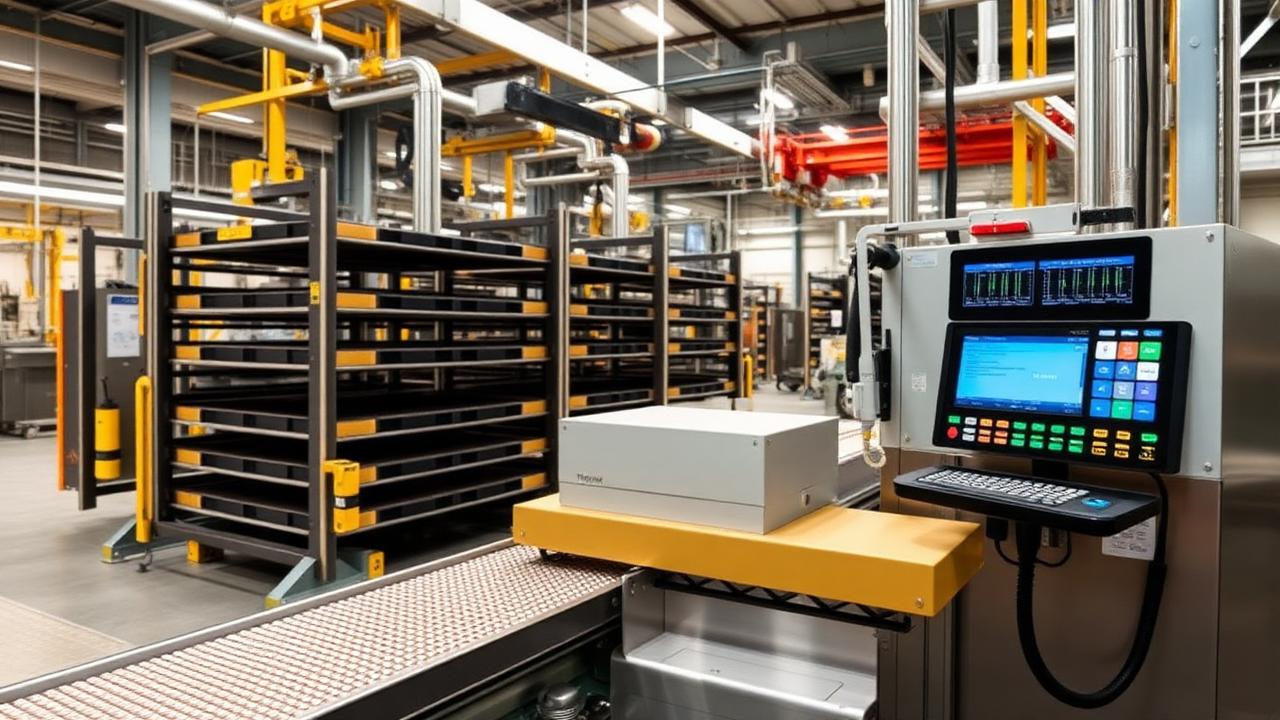
TopTech TAS manages the physical side of terminal operations: rack loading, custody transfer, tank gauging, and driver management. ETRM platforms manage the commercial side: orders, contracts, scheduling, and accounting. The integration between them must bridge the physical-commercial gap in real-time.
The challenge isn't just technical — it's operational. Terminal operations run 24/7, tolerance for downtime is near-zero, and data accuracy directly impacts custody transfer and accounting. Integration failures cascade into commercial disputes and regulatory issues.
Core Data Flows: Real-Time and Batch
TAS-ETRM integration typically involves five primary data flows: order/scheduling data from ETRM to TAS (what to load, when, for whom), real-time loading data from TAS to ETRM (actual volumes, temperatures, qualities), tank inventory from TAS to ETRM (current levels, available space), driver/carrier data bidirectionally, and segmented PnL data for end-of-day settlement.
The first three flows should be real-time or near-real-time; the last two can be batch but should be automated. Manual data entry between systems should be eliminated entirely.
Configuration Best Practices
Standardize product codes and unit of measure mappings between systems before building interfaces. Implement data validation at both ends — don't trust either system to send perfect data. Build comprehensive error handling with clear escalation paths for data quality issues.
Version your interface specifications and maintain backward compatibility when either system is upgraded. Many integration failures occur after system updates that change message formats or behavior.
"Terminals with fully automated TAS-ETRM integration report 95% reduction in data entry errors and 60% faster order-to-load cycle times."
Monitoring and Operations
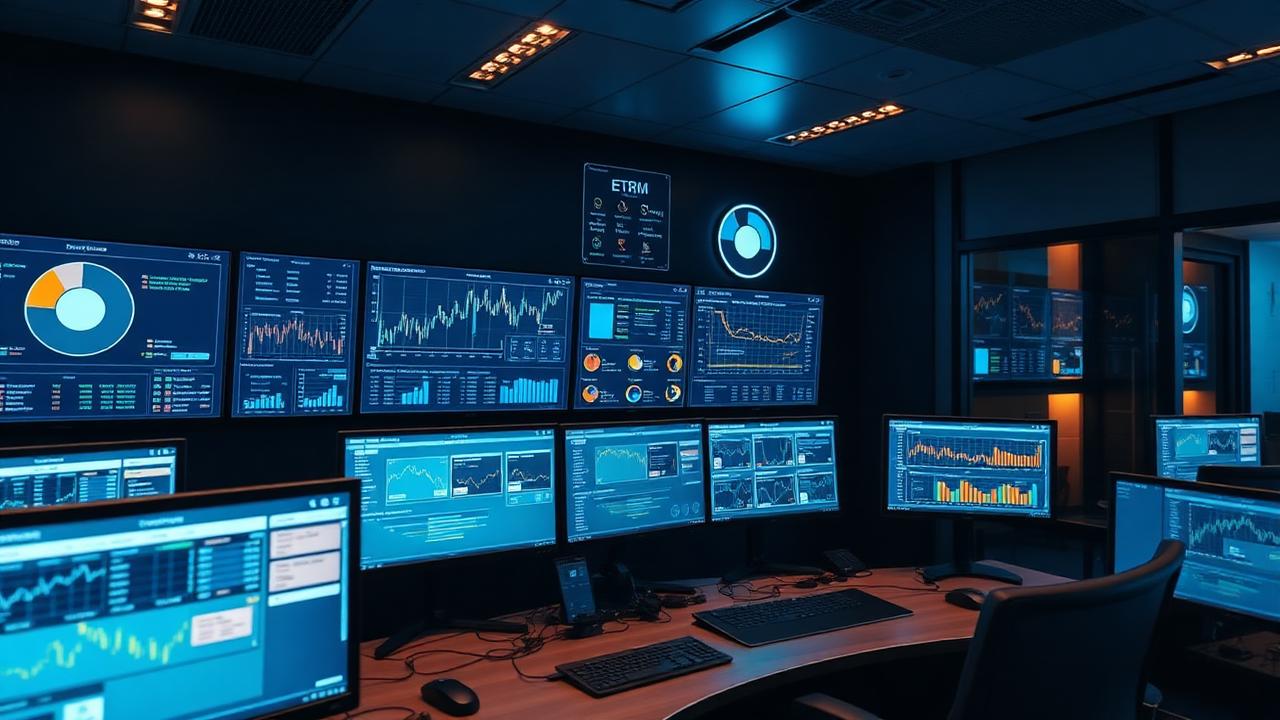
Build monitoring dashboards that track interface health in real-time: message throughput, latency, error rates, and queue depths. Implement alerting for degraded performance before it impacts operations.
Maintain a clear runbook for common integration issues — the terminal dispatcher at 2 AM needs to know exactly what to do when the interface goes red. Include both technical troubleshooting steps and business workaround procedures.
Ready to implement these strategies?
Our team can help you assess your current capabilities and build a roadmap tailored to your operations.
Request a Consultation